
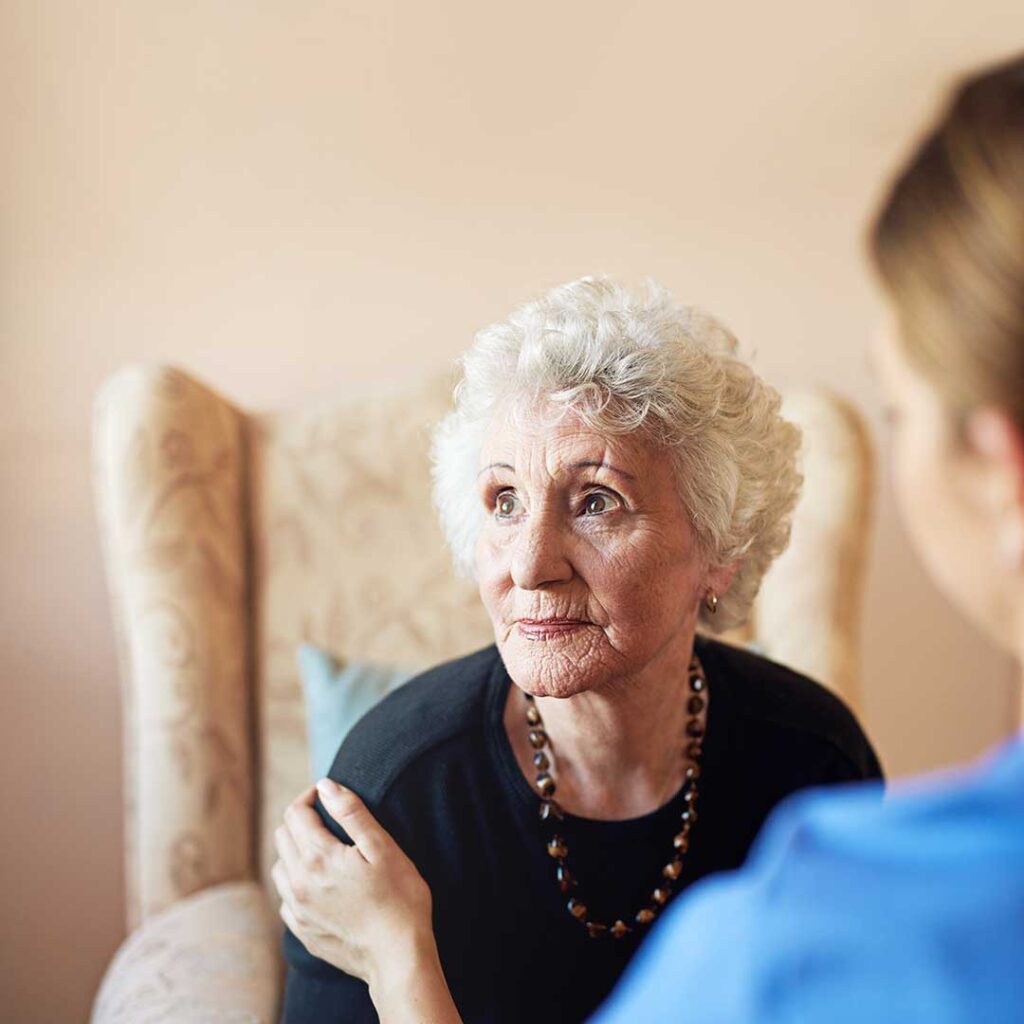
Integrative therapies in assisted living combine conventional medical care with supportive approaches that may improve comfort, mood, mobility, sleep, and social connection. In Hershey, PA, residents and families may encounter these services as part of wellness programming, rehabilitation, recreational activities, or individualized care planning.
These therapies do not replace prescribed treatment. Their purpose is to complement nursing care, medications, physical therapy, occupational therapy, and other established services.
What are integrative therapies?
Integrative therapies are structured activities or treatment approaches used alongside standard healthcare. They may address physical symptoms, emotional well-being, cognitive engagement, spiritual needs, or daily quality of life.
Examples can include:
- Guided breathing, relaxation, or mindfulness exercises
- Music, art, or horticultural activities
- Gentle movement, stretching, tai chi, or chair yoga
- Massage or therapeutic touch when permitted by the care plan
- Aromatherapy used cautiously and with clinical approval
- Pet-assisted or animal-assisted activities
- Reminiscence programs and sensory-based activities
- Spiritual care, meditation, or supportive counseling
- Nutrition-focused education and hydration support
The term “integrative” does not automatically mean that every therapy is medical treatment. Some approaches are clinical services delivered by licensed professionals, while others are meaningful activities led by trained staff or qualified volunteers.
Why might residents use these approaches?
Residents may participate in integrative therapies to support goals that are not always addressed by medication alone. A person experiencing chronic pain, anxiety, loneliness, sleep difficulty, or reduced mobility may benefit from an activity that complements the existing care plan.
Potential goals include:
- Reducing stress and restlessness
- Supporting safe movement and flexibility
- Encouraging social interaction
- Improving confidence with daily activities
- Promoting relaxation before bedtime
- Supporting communication for people with memory loss
- Providing enjoyable outlets for self-expression
- Helping residents maintain familiar routines and interests
The results are often practical rather than dramatic. A familiar song may help a resident participate in an activity. A short breathing exercise may make personal care less stressful. A garden-based program may give someone a reason to walk, converse, or spend time outdoors.
Which therapies may be helpful for residents with dementia?
Music, reminiscence, sensory activities, and gentle movement are commonly used to support residents with dementia. These approaches may work because they rely less on short-term memory and more on familiar sounds, movements, objects, and routines.
A music session might use songs from a resident’s younger years. A reminiscence activity could involve photographs, household objects, or conversations about past occupations and traditions. Tactile materials, folding activities, simple art projects, or supervised gardening may provide purposeful engagement.
Integrative activities should be adapted to the individual. Loud music, strong scents, crowded rooms, or complicated instructions may increase distress for some residents. Staff should observe responses and adjust the activity rather than assuming that the same approach will work for everyone.
Are integrative therapies safe?
Safety depends on the therapy, the resident’s health conditions, and how the activity is supervised. A therapy that is comfortable for one person may be unsuitable for another.
Before participation, the care team may need to consider:
- Fall risk, balance, and mobility limitations
- Skin conditions, bruising, or sensitivity to touch
- Allergies or asthma
- Medication effects, including dizziness or sedation
- Heart, breathing, or blood pressure concerns
- Cognitive changes or communication difficulties
- Infection-control requirements
- Cultural, religious, or personal preferences
Essential oils, herbal products, supplements, and special diets require particular caution. “Natural” does not always mean risk-free. Some substances can irritate the skin, worsen breathing problems, or interact with prescription medications. Residents should not begin supplements or discontinue medical treatment based solely on advice from an activity leader, online source, or another resident.

How are these therapies included in an assisted living care plan?
A suitable activity begins with a clear purpose. The goal might be to ease morning anxiety, encourage movement after breakfast, support sleep, or help a resident engage with others.
Care planning may include:
1. Identifying the resident’s preferences, abilities, and concerns
2. Choosing an appropriate activity and setting
3. Establishing how often and how long it will occur
4. Watching for benefits or unwanted effects
5. Adjusting the approach as the resident’s needs change
For example, a resident who becomes unsettled during late afternoon may respond well to a quiet music program, familiar conversation, or a short supervised walk earlier in the day. Another resident may prefer drawing, prayer, hand exercises, or time in a secure outdoor area.
Documentation may describe participation, mood, pain reports, sleep patterns, or changes in behavior. These observations can help the care team determine whether the activity is useful.
What questions should residents and families ask?
Families do not need specialized knowledge to evaluate an integrative therapy. Clear questions can reveal whether an activity is appropriate and responsibly managed.
Useful questions include:
- What is the purpose of this therapy?
- Who leads it, and what training do they have?
- Is participation voluntary?
- How is the activity adapted for mobility or memory limitations?
- Could it interact with medications or medical conditions?
- What happens if the resident becomes tired, uncomfortable, or distressed?
- Are scents, animals, food products, or physical touch involved?
- How are preferences, refusals, and cultural concerns documented?
- Is the therapy an activity, a clinical service, or both?
- How will the care team know whether it is helping?
A resident should be able to stop participating without pressure. Consent may be expressed verbally, through behavior, or according to the resident’s established decision-making arrangements. Staff should recognize signs of discomfort even when a resident cannot explain them clearly.
How can seasonal conditions affect participation in Hershey, PA?
Seasonal changes can influence which integrative activities are practical. Cold weather, snow, ice, and shorter daylight hours may limit outdoor walking or gardening. Heat and humidity can also affect hydration, endurance, and comfort during outdoor programs.
Indoor alternatives may include container gardening near a window, chair-based movement, music groups, art, guided relaxation, or sensory activities. During periods of poor air quality, extreme temperatures, or infectious illness, outdoor and group programming may need to be modified.
A safe program considers flooring, lighting, seating, handrails, footwear, and access to restrooms. These details matter because an activity intended to promote wellness should not create avoidable fall or fatigue risks.
What integrative therapy cannot do
Integrative therapies should not be presented as cures for dementia, arthritis, depression, chronic pain, or other medical conditions. They may support comfort and function, but they cannot replace diagnosis, medication management, emergency care, or treatment for a worsening symptom.
New or severe pain, sudden confusion, breathing difficulty, chest discomfort, repeated falls, unexplained weight loss, or major changes in behavior require medical attention. Relaxation exercises or recreational activities should never delay evaluation of a potentially serious problem.
The most useful programs are individualized, voluntary, monitored, and connected to the resident’s broader care plan. Their value often comes from helping a person feel calmer, more capable, more connected, or more in control of daily life.
