

Assisted living facilities customize care by assessing each resident’s abilities, routines, health needs, preferences, and safety concerns, then documenting how support will be provided. The goal is not to give every resident the same schedule, but to offer the right level of help while preserving independence.
In Pennsylvania, an assisted living residence generally uses an assessment and support plan to identify a resident’s needs and describe what services will be provided, when they will be provided, and who will provide them. The plan should be specific enough to guide daily care and flexible enough to change as the resident’s condition changes. ([pa.gov](https://www.pa.gov/agencies/dhs/resources/licensing/pch-alr-licensing/pch-alr-compliance-forms?utm_source=openai))
What does a customized care plan include?
A customized care plan usually covers personal care, medication routines, mobility, nutrition, communication, activities, medical coordination, and emergency preferences. It may also describe the resident’s habits, strengths, and preferred approaches to receiving help.
For example, one resident may need reminders to shower but can bathe independently once prompted. Another may need hands-on assistance with bathing, dressing, and transferring from a bed to a chair. A useful plan distinguishes between these situations instead of labeling both residents as simply “needing bathing help.”
Common areas addressed include:
- Bathing, grooming, dressing, and toileting
- Eating, drinking, and monitoring for changes in appetite
- Walking, transferring, and use of mobility equipment
- Medication reminders or assistance, where permitted
- Sleep routines and nighttime supervision
- Transportation or escort needs for medical appointments
- Cognitive support, cueing, and redirection
- Social activities and meaningful daily routines
- Communication with family members, physicians, or other authorized contacts
Pennsylvania guidance recognizes that services may vary based on both the residence and the individual resident’s needs. ([pa.gov](https://www.pa.gov/agencies/dhs/resources/aging-physical-disabilities/personal-care-homes?utm_source=openai))
How is a resident’s care needs assessed?
Assessment typically begins before or shortly after move-in and considers more than a diagnosis. Staff may review the resident’s ability to complete daily tasks, medical history, medications, mobility, cognition, behavior, nutrition, communication, and personal preferences.
The resident and family can provide information that may not be obvious during a short assessment. Useful details include:
- The time of day when the resident is most alert
- Whether the resident prefers verbal reminders or direct assistance
- Past falls, wandering, or difficulty using stairs
- Foods the resident avoids or enjoys
- Religious, cultural, or household routines
- Hearing, vision, language, or communication needs
- The resident’s usual sleep and wake schedule
- Strategies that reduce anxiety or confusion
A resident who appears independent during a morning visit may need more support later in the day. Someone with memory loss may perform a task safely when given step-by-step cues but struggle if instructions are rushed. These observations help staff customize the approach.
Does personalized care mean a resident receives one-on-one help all day?
Usually, no. Personalized care does not necessarily mean dedicated one-to-one staffing. It means the resident’s support is adjusted to documented needs rather than provided through a completely uniform routine.
A resident may receive scheduled help with medications, meals, and bathing while remaining independent during other parts of the day. Another resident may require more frequent checks because of fall risk, confusion, or nighttime needs. Staffing patterns and service limits vary, so families should ask how a residence translates the written plan into actual daily support.
The key question is not only, “What services are offered?” It is also, “How often, at what times, and with what level of assistance will they be provided?”
How are care plans changed over time?
Care plans should be reviewed when a resident’s needs change, not only on a fixed calendar schedule. A fall, hospitalization, new diagnosis, medication change, weight loss, increased confusion, or decline in mobility may require a prompt reassessment.
Changes can be temporary or ongoing. For example, a resident recovering from an illness may need extra help transferring for several weeks, then return to the previous level of support. A gradual change, such as needing more reminders during dressing, may lead to a smaller adjustment.
Families can help by reporting changes they notice during visits, including:
- New difficulty standing or walking
- Missed meals or reduced fluid intake
- Increased fatigue or daytime sleeping
- New confusion in familiar surroundings
- Changes in mood, behavior, or social participation
- Repeated questions about the same issue
- Trouble managing clothing, personal items, or the bathroom
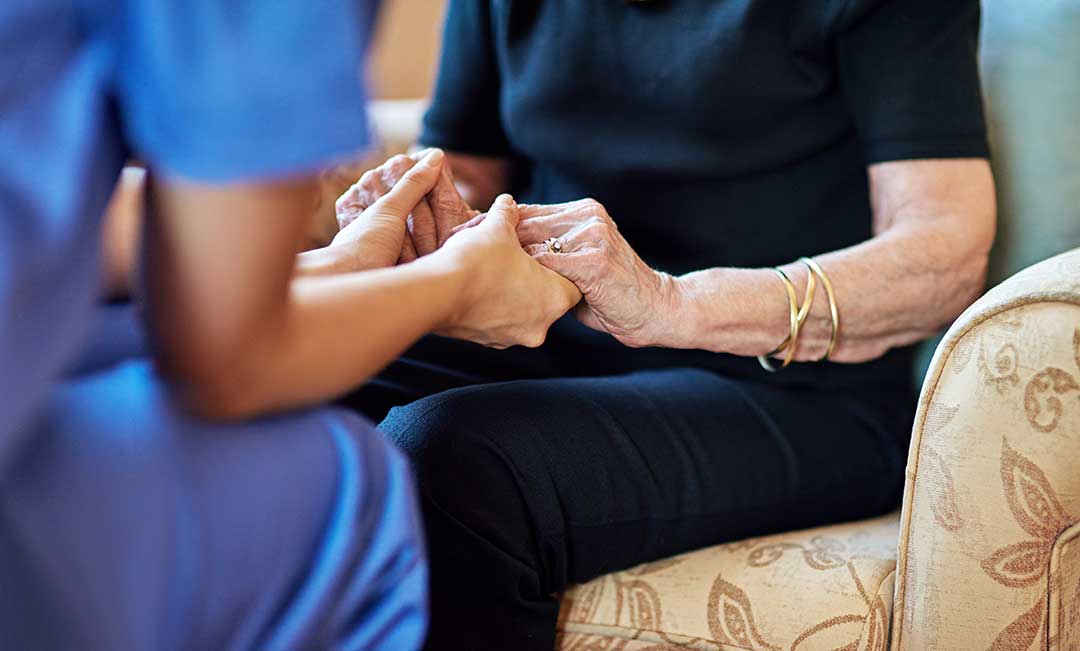
In Pennsylvania, assisted living residences are expected to use a written assessment-support plan to guide resident services. A residence may use its own form, but it must include the required elements. ([pa.gov](https://www.pa.gov/agencies/dhs/resources/licensing/pch-alr-licensing/pch-alr-compliance-forms?utm_source=openai))
How can care respect personal preferences?
Customization includes the way help is delivered, not only the tasks involved. Residents generally respond better when staff explain what they are doing, offer reasonable choices, and avoid treating assistance as a loss of control.
Examples include offering two clothing options, allowing extra time during morning care, honoring a preferred bathing schedule, or using familiar music during activities. A person with dementia may benefit from short instructions and a calm environment rather than repeated corrections.
Care also needs to account for privacy and dignity. Assistance with bathing, toileting, and dressing should be provided respectfully, with attention to the resident’s comfort and preferred caregivers when possible.
How does local weather affect customized care in Hershey?
Seasonal conditions can influence daily support. During icy or snowy weather, residents who usually walk outdoors may need safer indoor activity options, transportation adjustments, or additional attention to footwear and mobility equipment. Cold temperatures may also affect residents who have difficulty recognizing discomfort or selecting appropriate clothing.
Summer heat can create different concerns, particularly for residents who drink too little, take medications affected by dehydration, or tire easily. Care plans may include reminders to drink fluids, indoor activity during the hottest part of the day, and observation for weakness or confusion.
Households in the area may also need to discuss how family visits, transportation, and communication will work during winter storms or other disruptions. These practical details are part of individualized support, even if they are not medical services.
What should families ask about customized care?
Before a move, families should ask for clear explanations of how care is assessed, documented, delivered, and updated. Helpful questions include:
- Who completes the initial assessment?
- How are the resident’s preferences recorded?
- What happens if needs change suddenly?
- How are families informed about falls, illness, or significant changes?
- Which services are included, and which may involve additional charges?
- Can the residence support the resident’s medication, mobility, or cognitive needs?
- What happens if the resident eventually needs more care than the residence can provide?
- How are outside health services coordinated?
Pennsylvania regulations distinguish assisted living services from nursing-facility care, and a residence may have limits on the level of medical support it can provide. Understanding those limits early can prevent confusion later. ([pa.gov](https://www.pa.gov/agencies/dhs/resources/aging-physical-disabilities/personal-care-homes?utm_source=openai))
Customized care works best when the written plan reflects the resident’s real life: what the person can do, where help is needed, what routines feel familiar, and how safety can be maintained without unnecessary restrictions. For residents and families in Hershey, reviewing the plan regularly and sharing specific observations can help keep support practical, respectful, and responsive.
