
How Does Assisted Living Support People with Ongoing Medical Needs?
Assisted living facilities offer supervised, supportive environments that help adults manage chronic health conditions—such as diabetes, heart disease, arthritis, and respiratory illnesses—while maintaining as much independence as possible. In Hershey, PA, these community settings combine housing, daily support, and access to care resources designed to address the common challenges faced by older adults with ongoing medical issues.
Local residents often ask if assisted living is a substitute for nursing homes or hospitals. Assisted living is not the same as these more intensive settings. It provides monitoring and help with daily activities, but it’s not set up for high-level skilled nursing care. However, for many area households, this type of living arrangement bridges the gap between living alone and needing full-time nursing care.
What Daily Support is Provided for Managing Chronic Conditions?
Daily support structures are built into assisted living communities to help residents stick to treatment routines and avoid complications. Staff typically assist with:
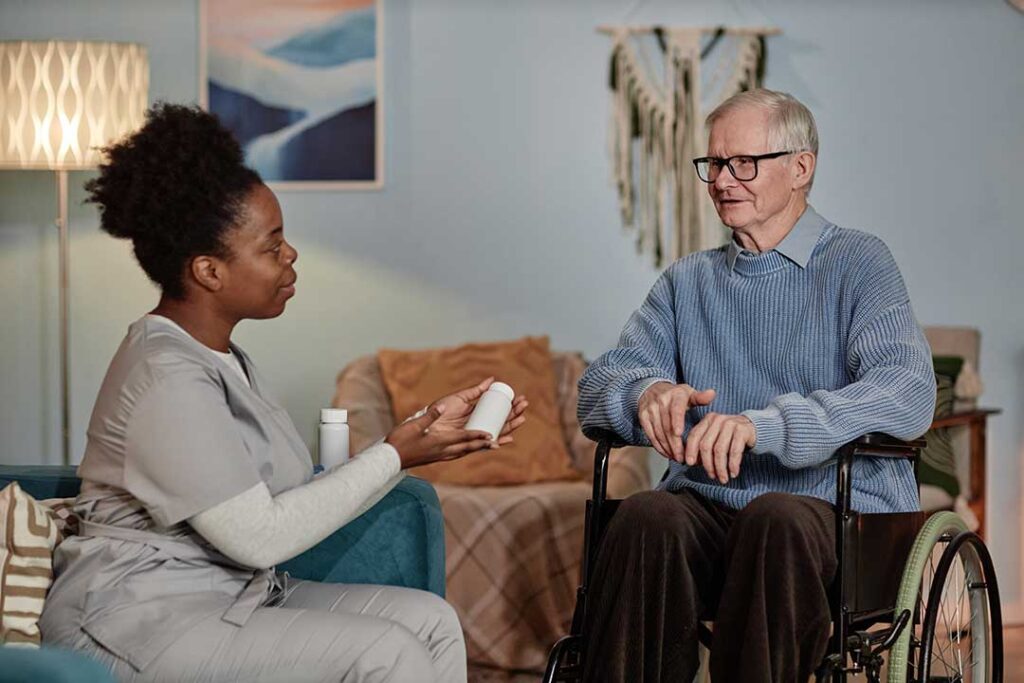
- Medication reminders or distribution, using tracking systems to reduce missed doses or errors.
- Coordinating routine medical appointments, including transportation and reminders for upcoming visits.
- Monitoring for sudden changes in health, such as increased confusion, changes in mobility, or signs of infection.
- Encouraging daily activities and exercise tailored to each person’s abilities, which can be especially helpful for managing conditions like arthritis or COPD.
- Assisting with tasks that might be difficult for those with pain or limited mobility, such as bathing, dressing, or preparing meals.
Hershey’s seasonal weather and winter risks make these supports even more valuable—staff can help reduce fall hazards during icy periods, and indoor activity spaces accommodate exercise or socialization year-round.
Who Oversees Health Monitoring in Assisted Living Settings?
Usually, a wellness coordinator or nurse manages the general oversight of residents’ healthcare needs. Their responsibilities focus on:
- Monitoring chronic condition markers (e.g., blood pressure, weight, blood sugar if appropriate).
- Keeping in touch with primary care physicians or specialists, within the limits of what’s allowed by Pennsylvania regulations.
- Updating care plans based on each resident’s current health and doctor’s orders.
Although medical care in these communities is not as intensive as nursing homes, regular monitoring helps identify minor issues before they become emergencies. Residents or their families are still responsible for working with external healthcare providers, but the added onsite support makes advocacy and communication easier.
How Do Assisted Living Teams Handle Emergencies and Hospital Visits?
While assisted living staff are not a replacement for emergency responders, they’re trained to recognize health warnings and respond quickly. Protocols usually include:
- 24-hour staffing—someone is always available to assist, even overnight.
- Clear steps for contacting emergency services if needed.
- Communication with family members or legal proxies if a resident is hospitalized.
- Coordination for discharge planning when someone returns from the hospital, ensuring that necessary accommodations or recovery support are set up.
In the Hershey region, icy winter roads and long distances to hospitals can add anxiety for families. Assisted living helps by making sure that residents are not alone if health problems arise, reducing delays in getting help.
Can Residents See Their Preferred Doctors and Specialists?
Residents maintain the right to choose their physicians, specialists, and other healthcare providers. Assisted living teams:
- Work with outside doctors and clinics to coordinate care and relay health updates, within privacy guidelines.
- Arrange transportation to local appointments in Hershey or provide guidance to family members handling trips.
- Adjust daily support based on new doctor instructions, such as dietary changes, therapy exercises, or wound care routines.

This level of support is especially useful for residents with complicated medication regimens, mobility issues, or those who need help balancing multiple provider recommendations.
What Lifestyle Accommodations Improve Quality of Life for People with Chronic Illness?
Daily life in assisted living is designed to minimize the risks and frustrations that can worsen chronic health problems. Some accommodations commonly found include:
- Accessibility features in apartments or shared spaces—grab bars, ramps, and walk-in showers make daily hygiene safer for those with joint pain or balance problems.
- Nutritious meals tailored to common dietary needs, such as low-sodium or diabetes-friendly options.
- Regular opportunities for gentle exercise, including chair yoga or walking clubs during mild-weather seasons.
- Social activities and peer interaction, which can reduce depression and isolation linked to chronic disease flare-ups.
With Hershey’s unpredictable weather and aging housing stock, these features address hazards that might exist in older private homes.
What Misconceptions Exist About Assisted Living and Ongoing Medical Care?
Some families believe that moving to assisted living means losing control over health decisions or routine. In reality:
- Residents and families are actively involved in creating and updating their care plans.
- Privacy is prioritized, with medical information only shared as legally allowed and with consent.
- Participation in social, recreational, and wellness activities is voluntary, so routines can remain familiar.
Another misconception is that assisted living is only for those who are already very ill. Many residents choose this setting for preventive reasons: to avoid injuries, stay social, or get help with increasingly complex health routines before urgent needs arise.
How Do Local Factors Influence Chronic Condition Management in Hershey?
Living in Hershey shapes the experience of chronic condition management—both due to climate and the community’s healthcare landscape. The area’s cold winters and heavy snow can cause falls or worsen respiratory symptoms. Assisted living settings minimize these risks by handling snow removal, checking indoor air quality, and providing safe, heated spaces for exercise and socialization. Access to local health resources and proximity to clinics further support ongoing medical management for the city’s aging population.
