
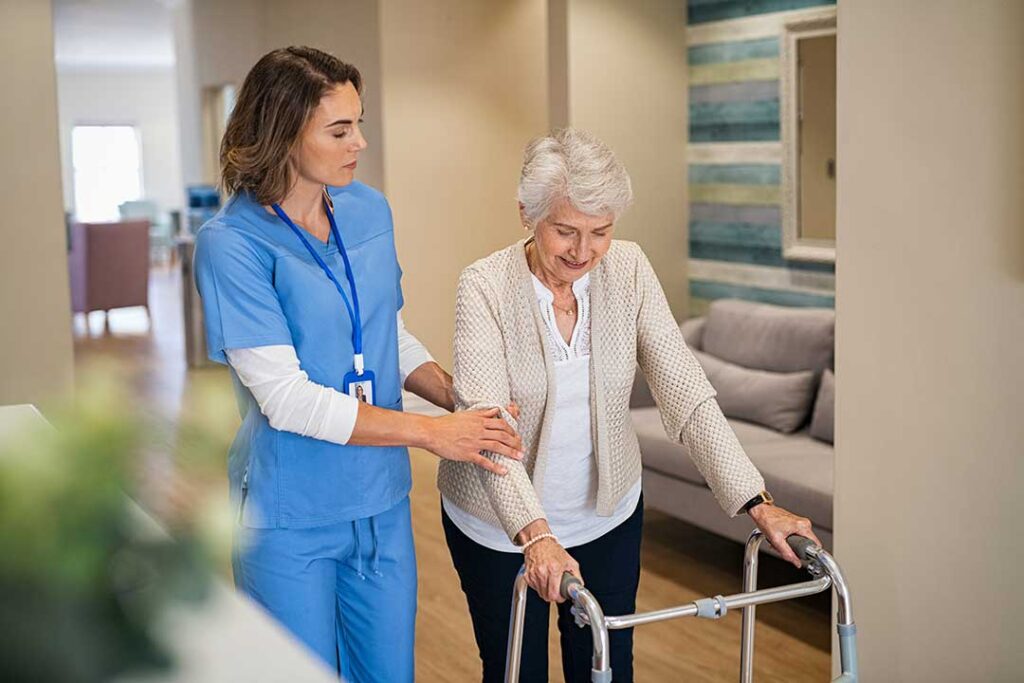
Why Are Safety and Infection Control Crucial in Assisted Living?
Ensuring safety and preventing infections are daily priorities in assisted living settings. Residents often require extra protection due to age-related health conditions or compromised immune systems, making even minor lapses risky. In a community like Hershey, PA, where many seniors enjoy year-round activities and seasonal gatherings, effective protocols help maintain a safe, healthy environment.
What Are Typical Safety Measures in Assisted Living Facilities?
Assisted living communities rely on layered safety measures to prevent accidents and injuries:
Residents often ask if their environment will be physically safe. Most communities provide:
- Secured entrances to monitor visitors
- Well-lit hallways and rooms
- Handrails in bathrooms and corridors
- Emergency call systems accessible from beds and bathrooms
- Regular maintenance to minimize trip hazards, especially during icy winters
These features aim to reduce falls—a common risk in senior care. In climates like Hershey’s, winter slip hazards on walkways and parking areas add an extra layer to facility inspection routines.
How Do Staff Prevent the Spread of Infections?
Staff at assisted living communities are trained on specific practices to reduce illness:
Infection prevention centers on hygiene and timely response. Common protocols include:
- Frequent handwashing and use of hand sanitizer
- Routine cleaning and disinfection of shared surfaces (such as dining areas, elevator buttons, remote controls)
- Use of gloves and masks when handling personal care or during outbreaks
- Limited sharing of personal items like towels, razors, or eating utensils
Residents can enhance these efforts by also following hand hygiene and using masks when advised, particularly during local flu seasons.
What Happens During an Outbreak, Like the Flu or Norovirus?
Assisted living facilities must adapt protocols quickly if a contagious illness spreads locally. During outbreaks:
- Group activities may be temporarily suspended or moved outdoors
- Visitors may be required to check for symptoms or delay visits
- Enhanced daily cleaning targets high-touch areas
Staff also monitor residents for symptoms and notify families as needed. In communities such as those in Hershey, where family visits are frequent and seasonal viruses circulate, temporary changes to routines are handled with care and communication.
Are Vaccines Required or Recommended for Residents and Staff?
Vaccines are a central pillar of infection prevention in senior communities. Most facilities strongly encourage, and sometimes require, vaccinations for both staff and residents—including flu shots, COVID-19 boosters, and pneumococcal vaccines.
Residents or their families commonly ask if staff are vaccinated. While requirements may vary, most prioritize immunization programs to protect the entire community, particularly as seasonal illnesses peak during the Hershey winter months.
How Is Food Safety Handled?
Food safety in assisted living includes careful storage, preparation, and service of meals:
- Staff follow state and local public health regulations
- Kitchens undergo routine inspections
- Dining areas are cleaned before and after each meal service

Special attention is paid during large communal meals, which are common in the area around holidays or special events. Residents are encouraged to report food preferences, allergies, and any concerns about cleanliness directly to staff.
Can Residents Receive Visitors Safely?
Visitors are welcome but may need to follow guidelines:
- Signing in and out each visit
- Hand sanitizing upon entry
- Screening for symptoms during cold and flu season
Facilities in Hershey aim to maintain social connections while balancing public health guidelines. During high-alert periods, visits may be limited to specific hours or arranged outdoors or in well-ventilated areas.
How Are Emergencies and Unplanned Health Events Managed?
Residents often want to know what happens in a health emergency. Assisted living staff are prepared to:
- Respond immediately to falls, injuries, or sudden illnesses
- Use on-site emergency call systems
- Communicate with local emergency services and family members
In regions like Hershey, where weather events (such as storms or power outages) can affect response times, facilities practice regular emergency drills and have backup plans for access to medical care and supplies.
What Should Residents and Families Watch for in Local Assisted Living Settings?
Here are practical ways to play an active role in safety and prevention:
- Ask about infection protocols and staff training during tours or meetings
- Observe if shared spaces are visibly clean and free of hazards
- Inquire about vaccination rates and current outbreak management plans
- Make sure there are clear procedures for getting help quickly in emergencies
In Hershey, seasonal adjustments—such as preparations for winter weather or summer humidity—are built into safety routines. Residents and families should feel empowered to ask questions, voice concerns, and partner with staff to make the environment as safe as possible.
