
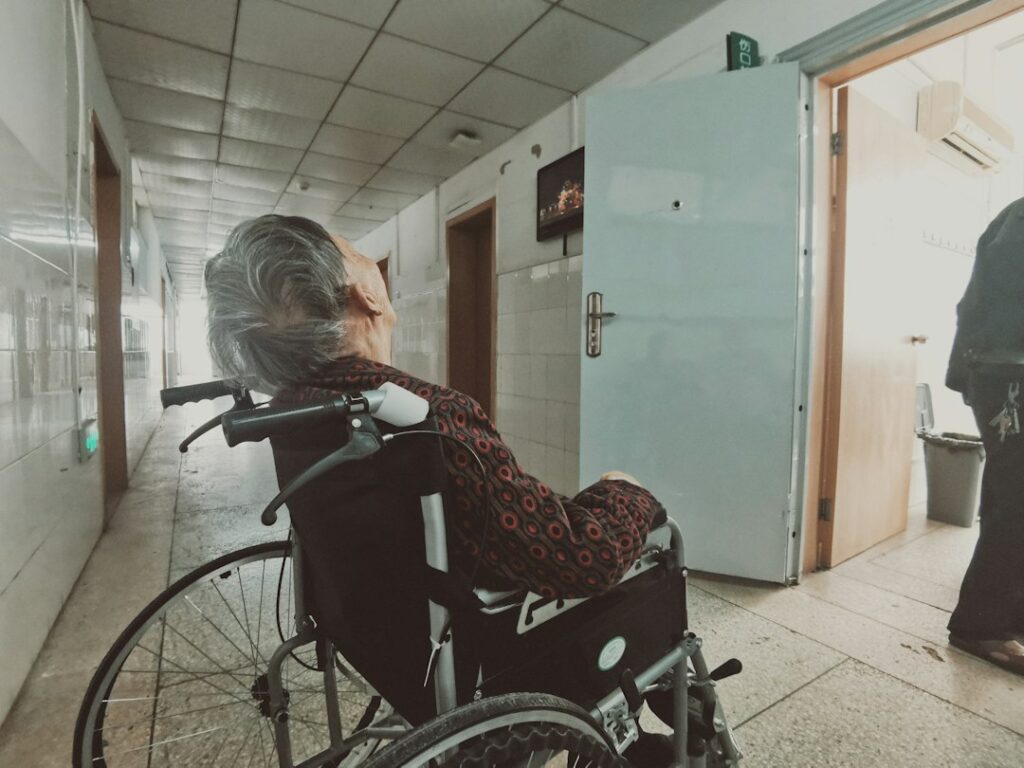
Falls are not an unavoidable part of aging. In assisted living, many falls can be reduced by combining safer surroundings, appropriate mobility support, regular health reviews, and clear communication between residents, families, and care staff.
Why do falls happen in assisted living?
Falls usually result from several factors rather than one isolated problem. A resident may have reduced leg strength, poor balance, vision changes, dizziness, medication side effects, or difficulty judging a step or surface.
Common contributors include:
- Throw rugs, clutter, cords, or narrow walking paths
- Poor lighting, especially between the bedroom and bathroom
- Wet floors or recently cleaned surfaces
- Improper footwear or loose slippers
- Reaching for items from a chair or bed
- Standing up too quickly
- Fatigue, dehydration, illness, or low blood pressure
- Walking while carrying objects or using a phone
- A walker or cane that is incorrectly adjusted
A previous fall is also a major warning sign. Even when an injury does not occur, fear of falling can lead to less activity, weaker muscles, and reduced confidence, which may increase risk over time.
What changes make an assisted living room safer?
The safest room is arranged around the resident’s daily routine. Frequently used items should be easy to reach without climbing, bending deeply, or stretching across furniture.
Keep walking paths open between the bed, bathroom, seating area, and doorway. Furniture should be stable and positioned so that a resident can turn safely while using a walker or cane. Cords should be secured along walls rather than crossing the floor.
Lighting deserves special attention. A bedside lamp or accessible light switch should be available before getting out of bed. Motion-activated night lighting can help illuminate the route to the bathroom without requiring a resident to walk in darkness. Glare should also be reduced because shiny floors and bright reflections can make it harder to see changes in elevation.
Bathrooms often require the most planning. Helpful features may include:
- Grab bars that are securely attached to the wall
- A raised toilet seat when appropriate
- A shower or bathing chair
- Nonslip flooring
- A handheld showerhead
- Dry floors and easy access to towels
- A call system that can be reached from the floor
Towel racks, sink edges, and movable furniture should not be treated as grab bars. They may pull loose or move unexpectedly.
Which footwear is safest?
Supportive, properly fitting shoes are safer than loose slippers, socks, or backless footwear. Shoes should have a firm heel, a secure fastening system, and soles that provide traction without catching on the floor.
Residents should avoid walking in socks on smooth surfaces, even when the floor appears dry. Footwear should also be checked periodically for worn tread, stretched fasteners, or soles that have become uneven.
Heavy, stiff shoes may be difficult for some residents to lift. The safest choice balances traction, support, comfort, and the person’s ability to put the shoes on independently.
How do medications affect fall risk?
Some medications can cause sleepiness, dizziness, blurred vision, confusion, or a drop in blood pressure when standing. The risk may be greater when several medications are taken together.
A medication review should be considered after a fall, when a new medicine is started, or when a resident reports unsteadiness, unusual drowsiness, or dizziness. Prescriptions, over-the-counter products, and supplements should all be included.
Medication should never be stopped suddenly without medical direction. Instead, residents or family members can ask whether the timing, dose, or combination of medicines may be affecting balance. Blood pressure medicines, sleep aids, sedatives, some pain medicines, and certain medicines for mood or bladder symptoms may deserve particular attention.
What exercises help prevent falls?
Exercises that improve leg strength, balance, coordination, and safe movement can reduce fall risk for many older adults. Appropriate activities may include supervised chair-rise practice, controlled leg strengthening, balance exercises, walking, and programs that use slow, deliberate movements.
The right activity depends on health conditions, mobility, pain, and previous falls. Someone who is unsteady should not begin challenging balance exercises alone. A care team or medical professional can help determine whether exercises should be completed seated, standing with support, or with supervision.

Regular movement is generally safer than avoiding activity altogether. Prolonged inactivity can weaken the muscles needed for transfers, stair negotiation, and recovery from a loss of balance.
Why do vision and hearing matter?
Vision changes can make it difficult to detect a dark floor mat, a curb, a wet patch, or a change in floor height. Glare, poor contrast, and outdated glasses may also affect depth perception.
Routine eye care is useful, especially when a resident reports bumping into objects, misjudging steps, or having trouble seeing in dim light. Multifocal lenses may require extra caution on stairs or uneven surfaces because the wearer may look through the wrong part of the lens.
Hearing loss can also affect safety. A resident who cannot hear an approaching person, an alarm, or a staff instruction may turn suddenly or move without adequate awareness of the surroundings. Hearing devices should be maintained and available when needed.
How should residents handle winter conditions in Hershey, PA?
Seasonal ice, snow, slush, and wet entryways can create hazards before a resident even leaves a building. During winter, residents should avoid walking outdoors until paths have been cleared and treated. Staff or family members may need to check exterior walkways, ramps, thresholds, and vehicle drop-off areas for changing conditions.
Wet shoes can make indoor floors slippery. A safe routine includes wiping footwear at the entrance, using designated drying areas, and allowing wet floors to be cleaned and dried before walking across them.
Shorter daylight during winter can also affect visibility. Outdoor trips are safer during brighter conditions when possible, with appropriate footwear and a mobility aid that is suited to the surface.
What should happen after a fall?
A fall should be reported even when the person feels fine. Some injuries, including head injuries or fractures, may not be immediately obvious.
After a fall, the resident should avoid standing up quickly or attempting to walk away without assessment. Sudden movement can worsen an injury. Staff should evaluate the situation according to the residence’s emergency procedures, and urgent medical attention may be needed for severe pain, loss of consciousness, confusion, bleeding, inability to bear weight, or a possible head injury.
The circumstances should also be reviewed: Where did the fall occur? Was the floor wet? Was the resident rushing to the bathroom? Had a medication recently changed? Was the walker within reach? These details can lead to practical changes rather than simply labeling the event as an accident.
How can families and care teams reduce risk together?
Fall prevention works best when observations are shared promptly. Families can report changes in walking speed, balance, alertness, vision, footwear, or confidence. Residents should be encouraged to describe near-falls, dizziness, and moments when they felt unsafe.
A useful prevention plan may include:
- A room and bathroom safety check
- Review of mobility aids and transfer techniques
- Medication and blood pressure review
- Vision and hearing checks
- A personalized exercise plan
- Clear procedures for nighttime bathroom trips
- Regular reassessment after illness, injury, or a change in routine
The goal is not to restrict a resident’s independence. It is to make ordinary activities—getting out of bed, bathing, walking to meals, and participating in the community—safer and more predictable.
